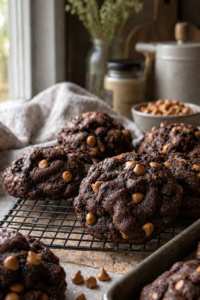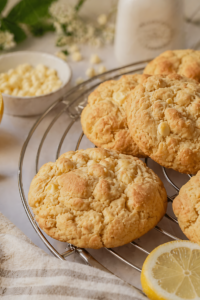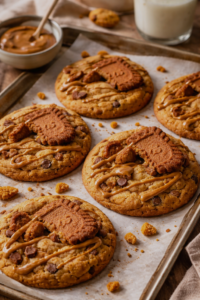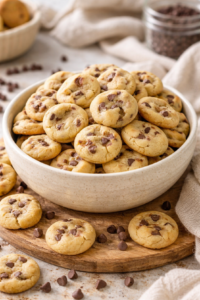
The Classic Brown Butter Chunky Chocolate Chip Cookies
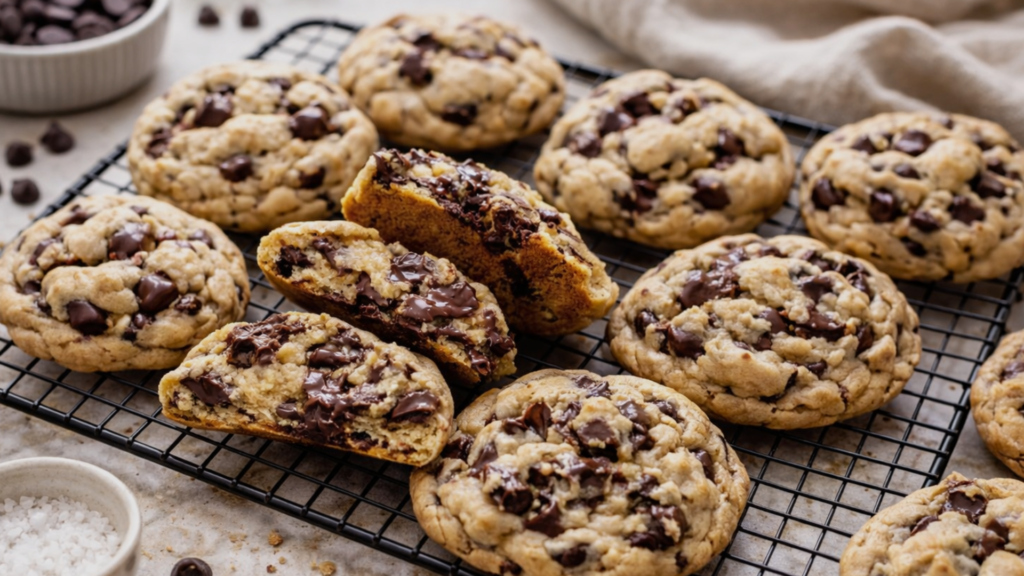
You know how some people spend their whole lives searching for the perfect chocolate chip cookie? The one with crispy edges and soft centers? The one that stays chewy for days? The one that makes people close their eyes when they take that first bite?
Yeah, that was me.
I have tested dozens of recipes. I have tried chilling, not chilling, melting butter, cold butter, bread flour, cake flour, extra egg yolks, you name it, I have baked it. And honestly? I was starting to think the perfect cookie was a myth. A beautiful, delicious lie we tell ourselves so we have an excuse to keep baking.
Then I stopped trying to be fancy.
I went back to basics. I took everything I loved about a classic chocolate chip cookie and asked myself one question: What actually makes this better?
The answer, my friend, was sitting right there in my butter dish.
BROWN BUTTER
Not because it is trendy or fancy. Not because food bloggers tell you to. But because brown butter genuinely transforms a simple cookie into something unforgettable. It adds this nutty, toasty, almost caramel depth that makes people tilt their heads and say, “Wait, what IS that flavor?”
These Brown Butter Chunky Chocolate Chip Cookies are the result of that journey. No gimmicks. No weird ingredients. Just perfectly browned butter, high quality chocolate chopped into glorious chunks, and a technique that gives you the crispiest edges and the chewiest centers every single time.
Let me paint you a picture.
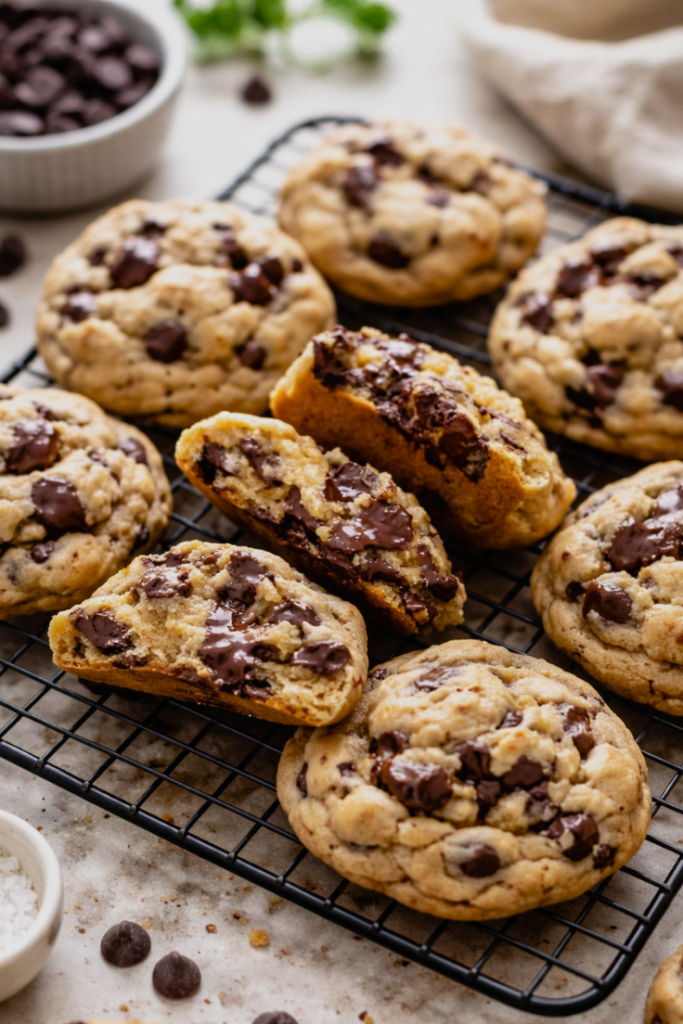
You pull the baking sheet from the oven, and the smell hits you first. Toasted nuts. Caramel. Warm vanilla. The cookies are golden brown around the edges with pools of melted chocolate glistening on top. You let them cool for exactly as long as you can possibly wait (five minutes is my record), and then you take a bite.
Crisp. The edge shatters just slightly.
Chewy. The center gives way, soft and buttery.
Melt. A chunk of chocolate dissolves on your tongue.
This is it. This is the one.
Here is why this recipe is different from every other chocolate chip cookie out there:
~~ Brown Butter Base: That nutty depth elevates a classic cookie into something truly special.
~~ Chunky Chocolate, Not Chips: Roughly chopped chocolate melts into glorious puddles, not uniform discs.
~~ The 24-Hour Freeze: Yes, it requires patience. No, you cannot skip it. Trust the process.
~~ Perfect Texture Every Time: Crispy edges, soft centers, and a cookie that stays chewy for days.

Why This Simple Cookie is Actually Genius
On the surface, this is just flour, butter, sugar, and chocolate. But the way these ingredients interact? That is where the magic happens. Let me break down the science so you understand exactly why this recipe works.
The Brown Butter Difference
1. The Maillard Reaction, Simplified: When you brown butter, you are not just melting it. You are cooking the milk solids until they toast and turn golden brown. This triggers the Maillard reaction, the same chemical process that makes bread toast, coffee beans roast, and steak sear. It creates hundreds of new flavor compounds that simple melted butter simply cannot provide.
2. Water Evaporation = Concentrated Flavor: Butter contains about 15-18% water. When you brown it, that water evaporates. Less water in your dough means less steam during baking, which means less spreading and a more concentrated, buttery flavor. You are essentially condensing the butteriness into something more powerful.
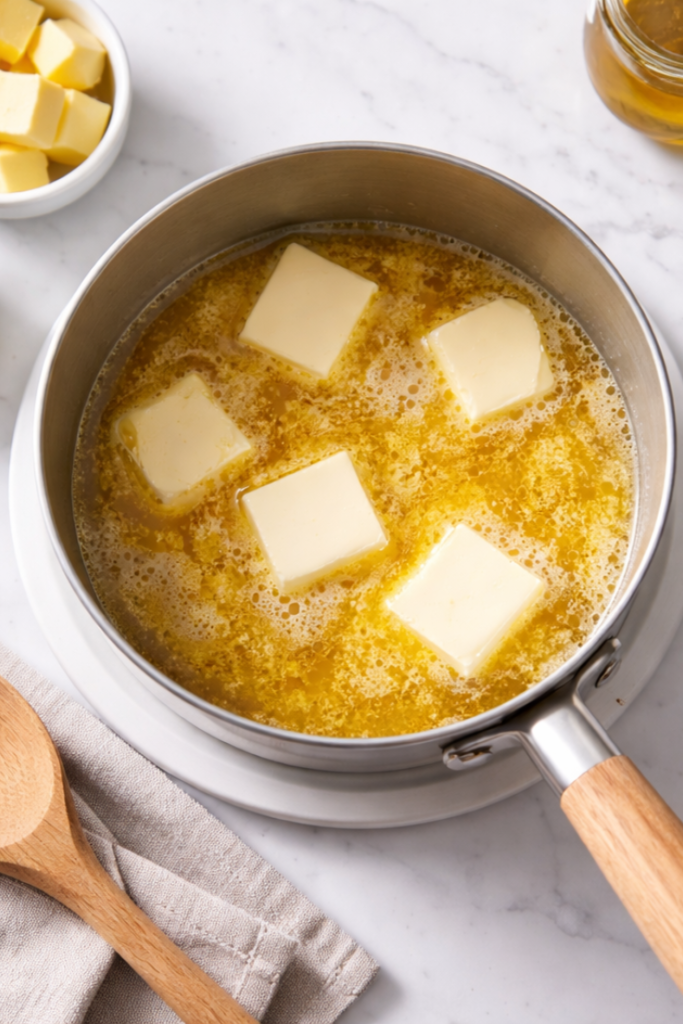
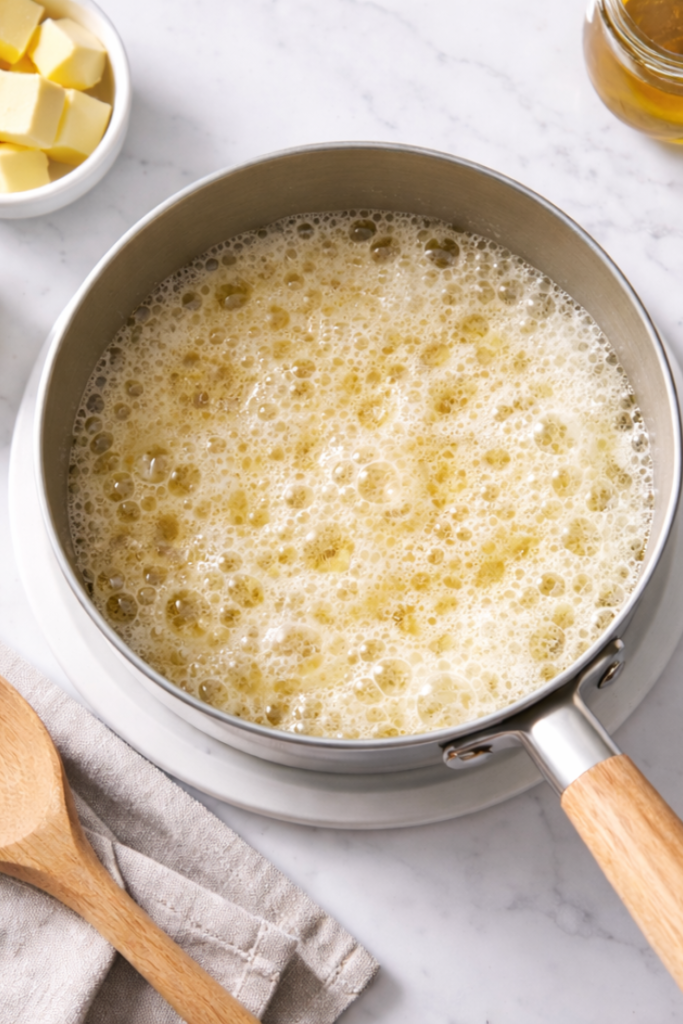
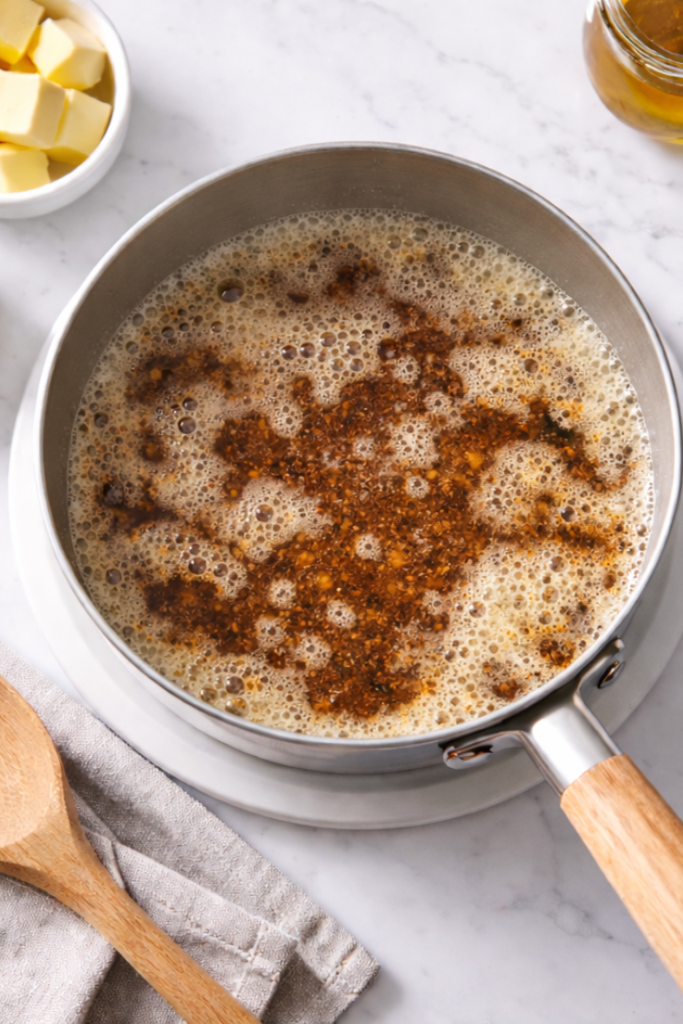
3. How to Know When Butter is Perfectly Browned:
~~ Stage 1: Melt. The butter liquefies and begins to bubble.
~~ Stage 2: Foam. It will foam up significantly as the water cooks off. Swirl the pan gently.
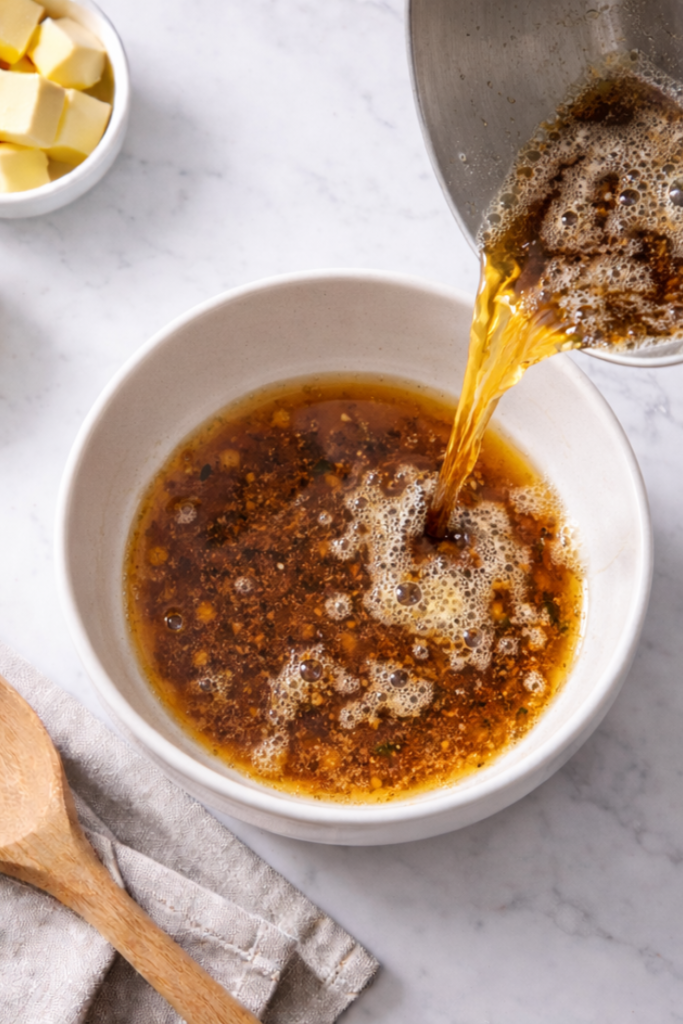
~~ Stage 3: Toast. The foam subsides, and you will see golden brown specks forming at the bottom of the pan. The butter will turn from yellow to a beautiful amber color.
~~ Stage 4: Fragrant. The moment it smells intensely nutty and toasty, like hazelnuts or toffee, immediately remove it from the heat and pour it into a heat-safe bowl. If you leave it in the hot pan, it will continue to cook and burn. Burnt butter is bitter, not nutty.
The Chunky Chocolate Secret
1. Why Chunks Beat Chips Every Time: Chocolate chips are designed to hold their shape. They contain stabilizers that prevent them from melting completely. That is great if you want defined chips in your cookie, but terrible if you want glorious, swirly pools of melted chocolate. When you chop a high quality chocolate bar by hand, you get irregular pieces. Some are tiny shards that melt into the dough, some are big chunks that stay intact. The result is a cookie with chocolate in every bite, but in different forms. It is textural heaven.
2. My Chocolate Recommendation: Use a good semi-sweet chocolate bar, around 60-70% cacao. I love Ghirardelli, Guittard, or Valrhona. Chop it roughly with a serrated knife, and embrace the irregularity. The dust and small pieces will melt into the dough, turning the whole cookie a deeper color and infusing every bite with chocolate flavor.
The 24-Hour Freeze: Why Patience is Non-Negotiable
I know. Waiting 24 hours to bake cookies feels like actual torture. But here is the truth: this step is not optional. It is essential.
When you freeze the dough for 24 hours, several things happen:
~~ Flour Hydration: The flour fully absorbs the moisture from the eggs and brown butter. This deepens the flavor and creates a more tender, chewy texture.
~~ Flavor Meld: The brown butter, vanilla, and sugars have time to mingle and marry. The cookie dough matures, just like a good stew tastes better the next day.
~~ Controlled Spreading: Frozen dough bakes slower and spreads less. You get thicker, taller cookies with that perfect crispy edge and soft center.
If you bake these immediately, you will have good cookies. If you wait 24 hours, you will have unforgettable cookies. The choice is yours.
Let’s Bake! Your Step-by-Step Guide to Chunky Chocolate Heaven
Ingredients:
Here is everything you need. I have provided grams first (my preferred method for accuracy), with cups in parentheses.
1. 113g unsalted butter (½ cup or 1 stick)
2. 250g all-purpose flour (2 cups, spooned and leveled)
3. 1 teaspoon baking soda
4. 1 tsp fine sea salt
5. 100g light brown sugar (½ cup, packed)
6. 60g granulated sugar (⅓ cup)
7. 1 large egg
8. 1½ tsp pure vanilla extract
9. 200g semi-sweet chocolate, roughly chopped (1¼ cups)
Prep: Get all your ingredients measured and ready. Using a kitchen scale is the best way to ensure perfect results every time!
A Step-by-Step Instructions:
Step 1: Brown the Butter
Place the butter in a light-colored saucepan over medium heat. Swirl occasionally as it melts, foams, and eventually turns amber with brown specks at the bottom. Once it smells nutty and toasty, immediately remove from heat and pour into a large heat-safe bowl. Let it cool for 10-15 minutes. It should still be liquid but not hot to the touch.
Step 2: Mix the Wet Ingredients
To the bowl with the slightly cooled brown butter, add the brown sugar and granulated sugar. Beat with a hand mixer or stand mixer for 2-3 minutes until the mixture looks smooth and combined. Add the egg and vanilla extract, and beat again until the mixture is creamy, glossy, and slightly lighter in color.
Step 3: Combine the Dry Ingredients
In a separate medium bowl, whisk together the flour, baking soda, and fine sea salt. Whisk thoroughly to ensure the baking soda and salt are evenly distributed. No salt pockets allowed!
Step 4: Bring It All Together
With the mixer on low speed, gradually add the dry ingredients to the wet ingredients. Mix just until the flour disappears and a soft dough forms. Stop the moment it comes together, overmixing develops gluten and leads to tough, dense cookies.
Step 5: Add the Chunky Chocolate
Turn off the mixer and grab a rubber spatula. Gently fold in the roughly chopped chocolate, including the small shards and dust. Make sure it is evenly distributed throughout the dough. The dough will look speckled with chocolate throughout.
Step 6: Scoop and Freeze (The Hardest Step)
Scoop the dough into 3-tablespoon sized portions (yes, larger than usual!) and place them on a parchment-lined baking sheet or plate. You should get about 12-14 large cookies. Cover tightly with plastic wrap and place in the freezer for 24 hours. Yes, a full day. You can do this.
Step 7: Bake from Frozen
When you are ready to bake, preheat your oven to 190°C (375°F). Line a baking sheet with parchment paper. Place the frozen dough balls on the sheet, leaving plenty of space between them (at least 3 inches). Bake for 11-13 minutes, until the edges are golden brown and set, but the centers still look soft and slightly underdone. Let them cool on the baking sheet for 5-10 minutes, then transfer to a wire rack.

Pro Tips & Your Biggest Questions, Answered
Real Talk: What I Have Learned Baking These Cookies 100+ Times
I have made these cookies more times than I care to admit. I have made every mistake possible so you do not have to. Here is my honest advice, born from trial and error.
1. How to Prevent Burnt Butter (Every Single Time)?
The line between perfectly browned and burnt is about three seconds. Here is my foolproof method: use a light-colored pan so you can actually see the color change. As soon as the butter turns amber and smells nutty, immediately pour it into a cool bowl. Do not leave it in the hot pan, even for a moment. The residual heat will continue cooking it. Pour first, celebrate later.
2. The “Spoon and Level” Flour Rule:
If you scoop your measuring cup directly into the flour bag, you can pack in up to 30% more flour than the recipe needs. Too much flour = dry, crumbly, cakey cookies. The correct method: fluff the flour with a spoon, spoon it into your measuring cup until overflowing, and level it off with the back of a knife. Use a kitchen scale for guaranteed accuracy.
3. Why I Use Fine Sea Salt, Not Table Salt:
Table salt is much finer and saltier by volume. Fine sea salt has a cleaner taste and dissolves more evenly into the dough. If you only have table salt, reduce the amount to ¾ teaspoon. And please, do not use coarse kosher salt here—it will not dissolve properly and you will bite into little salt crystals.
4. My Chocolate Chopping Secret:
Place your chocolate bar on a cutting board and use a serrated knife. The serrated edge grips the chocolate better than a straight blade, giving you more control and less shattered chocolate flying across your kitchen. Embrace the irregular pieces, the dust and small shards are what create that chocolate-infused dough.
Frequently Asked Questions
1. Do I really have to freeze the dough for 24 hours? Can I bake them sooner?
I am going to be honest with you here. Yes, you really should wait 24 hours. I know it sounds like I am being dramatic, but the difference is genuinely noticeable. At 2 hours, you have good cookies. At 12 hours, you have really good cookies. At 24 hours, the flour has fully hydrated, the flavors have melded, and the texture is perfect. If you absolutely cannot wait, bake them after at least 2 hours in the freezer. But please, make one batch and wait the full 24 hours. You will taste the difference and never go back.
2. Why are my cookies flat and greasy?
This is the most common problem, and it usually comes down to one of three things. First, your brown butter was too hot when you mixed it with the sugar. If the butter is hot, it melts the sugar and creates a greasy dough that spreads into thin puddles. Let it cool for 10-15 minutes! Second, your dough was not cold enough going into the oven. This is why we freeze for 24 hours. Third, you may have used too little flour. Double-check your measuring method.
3. Why are my cookies dry and crumbly?
Dry, crumbly cookies almost always mean too much flour or overmixing. When you add the dry ingredients, mix only until the flour disappears. If you keep mixing, you develop gluten, which makes cookies tough and dry instead of tender and chewy. Also, make sure you are spooning and leveling your flour correctly.
4. Can I use salted butter instead of unsalted?
You can, but you need to adjust. If you use salted butter, reduce the added salt to ½ teaspoon. The browning process works exactly the same. However, different brands of salted butter have different salt levels, so using unsalted gives you complete control. I recommend unsalted for consistency.
5. My cookies are baked perfectly on the edges but raw in the middle. What happened?
This usually means your oven temperature is too high or your dough balls were too large. The outside is cooking too quickly before the inside has a chance to catch up. Try lowering your oven temperature by 10-15 degrees and see if that helps. Also, make sure your dough balls are uniform in size so they bake evenly.
6. Can I freeze the baked cookies?
Absolutely! These cookies freeze beautifully. Let them cool completely, then place them in a single layer in a freezer-safe container or bag, with parchment paper between layers to prevent sticking. They will keep for up to 3 months. To refresh, let them thaw at room temperature, then pop them in a 300°F oven for 3-4 minutes. They will taste almost freshly baked.
7. Can I use chocolate chips instead of chopped chocolate?
You can, but the texture will be different. Chocolate chips are designed to hold their shape, so you will get defined pockets of chocolate rather than those glorious melty puddles. If chips are all you have, go for it! But if you can, treat yourself to a good chocolate bar and chop it up. The difference is worth it.
8. Why does the recipe use both brown sugar and granulated sugar?
Great question! Brown sugar adds moisture and that deep, molasses like flavor that makes cookies chewy. Granulated sugar helps with spreading and gives those crispy edges. Together, they create the perfect balance, crispy on the outside, chewy on the inside. Using all of one or the other would throw off that texture completely.
9. My cookies turned out delicious but looked ugly. How do I get that bakery style round shape?
I have got two tricks for you!
Trick 1: Immediately after the cookies come out of the oven, place a round cookie cutter or a large glass over a cookie and gently swirl it in a circular motion. The edges will bump against the inside and form a perfect circle.
Trick 2: Use the back of a spoon to gently push any uneven edges inward while the cookies are still hot. Work quickly, they set as they cool!
10. Can I double this recipe?
Yes! This recipe doubles beautifully. Just make sure your mixer bowl is large enough to handle the volume. The freezing time remains the same. Perfect for holiday baking or cookie swaps!
Serving, Storage & Flavor Variations
How to Store, Refresh, and Make This Recipe Your Own
Storing Your Masterpiece
These cookies are at their absolute best slightly warm, when the chocolate is still melty and the edges are perfectly crisp. Here is how to keep them that way:
1. Room Temperature: Store baked cookies in an airtight container at room temperature for up to 5 days. Place a slice of plain bread in the container, it will release moisture and keep the cookies soft. Replace the bread every day or two as it dries out.
2. Refrigerator: You can refrigerate them for up to 1 week, but let them come to room temperature before serving for the best texture.
3. Freezer: As mentioned above, baked cookies freeze beautifully for up to 3 months.
How to Refresh Day Old Cookies
Day-old cookies are still delicious, but here is how to bring back that fresh-baked magic:
~~ The Oven Method (Best for Texture): Preheat your oven to 300°F (150°C). Place cookies on a baking sheet and warm for 3-5 minutes. This re-crisps the edges and re-melts the chocolate. They will taste almost freshly baked.
~~ The Microwave Method (Best for Speed): Microwave a single cookie for 10-15 seconds. The edges won’t re-crisp, but the center will become soft and gooey again. Perfect for a quick treat.
4 Delicious Flavor Variations
1. The Sea Salt Finish:
Just before baking, sprinkle a tiny pinch of flaky sea salt (like Maldon) on top of each frozen dough ball. The salt crystals will sit on top of the baked cookies, providing little bursts of salty contrast against the sweet, buttery cookie. It sounds simple, but it is absolutely transformative.
2. The Nutty Brown Butter Pecan:
Toast ¾ cup of chopped pecans in a dry skillet until fragrant, let them cool completely, and fold them into the dough along with the chocolate. The toasted pecans amplify the nutty notes from the brown butter beautifully. Walnuts work great too!
3. The Dark Chocolate Espresso:
Add 1 teaspoon of instant espresso powder to the dry ingredients (mix it with the flour). Espresso does not make the cookies taste like coffee, it simply deepens and enhances the chocolate flavor, making it taste even more intense and complex. Use dark chocolate (70%+) for an extra sophisticated cookie.
4. The Toffee Crunch:
Replace half of the chopped chocolate with ½ cup of chopped Heath bar or Skor toffee bits. The buttery, crunchy toffee adds another layer of texture and pairs perfectly with the brown butter base. Be careful not to overmix, as toffee bits can be sticky.
Full Printable Recipe Card
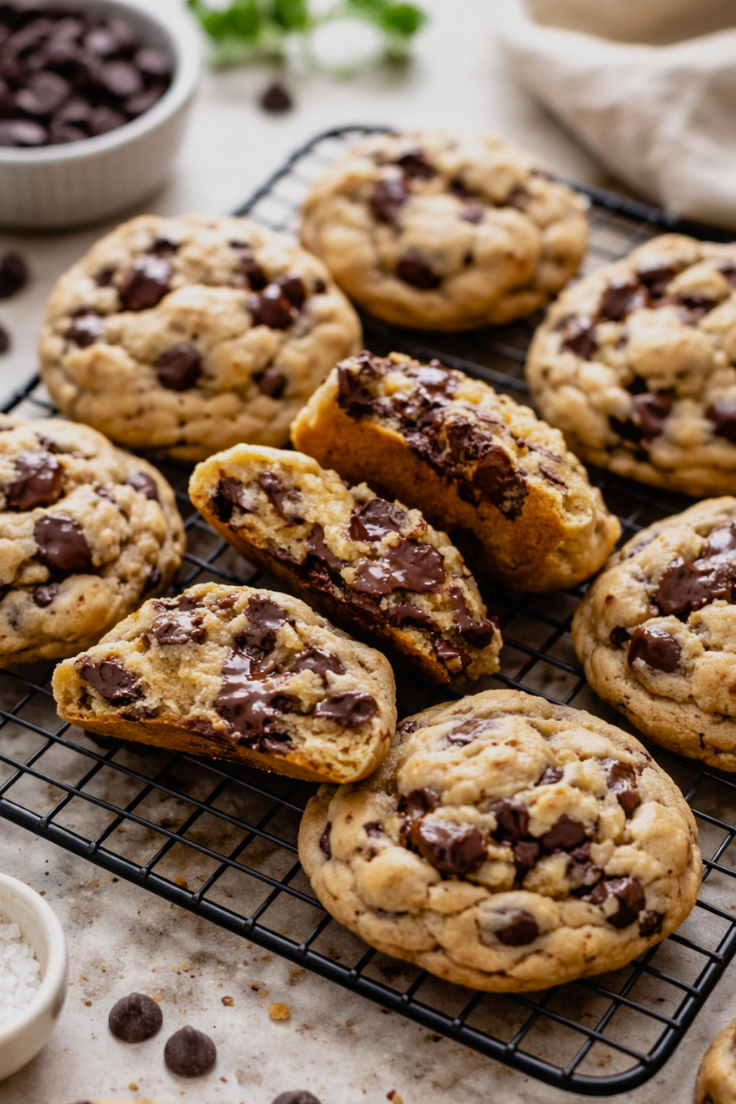

The Classic Brown Butter Chunky Chocolate Chip Cookies
Ingredients
Equipment
Method
- Brown the butter: In a light-colored saucepan over medium heat, melt the butter, swirling occasionally. Cook until it turns amber, brown specks form at the bottom, and it smells intensely nutty. Immediately remove from heat and pour into a large bowl to cool for 10-15 minutes.
- Mix wet ingredients: To the cooled brown butter, add brown sugar and granulated sugar. Beat for 2-3 minutes until smooth and combined. Add the egg and vanilla extract, and beat again until the mixture is creamy and glossy.
- Combine dry ingredients: In a separate bowl, whisk together the flour, baking soda, and fine sea salt until evenly distributed.
- Combine mixtures: With the mixer on low, gradually add the dry ingredients to the wet ingredients. Mix just until combined and no flour streaks remain. Do not overmix.
- Add the chocolate: Using a rubber spatula, gently fold in the roughly chopped chocolate, including the small shards and dust, until evenly distributed throughout the dough.
- Scoop and freeze: Scoop 3-tablespoon sized dough balls onto a parchment-lined tray. Cover tightly with plastic wrap and freeze for 24 hours. Do not skip this step.
- Bake from frozen: Preheat oven to 190°C (375°F). Place frozen dough balls on parchment-lined baking sheets, leaving at least 3 inches of space between them. Bake for 11-13 minutes, until edges are golden brown and set but centers still look soft. Cool on baking sheet for 5-10 minutes, then transfer to a wire rack.
Notes
- The 24-Hour Freeze is Essential: I know it is hard to wait, but this step is not optional. Freezing allows the flour to fully hydrate, the flavors to meld, and prevents spreading. Bake after 2 hours and you will have good cookies. Wait 24 hours and you will have unforgettable cookies.
- Cool Your Brown Butter: After browning, let the butter cool for 10-15 minutes before adding the sugars. If it is too hot, it will melt the sugar and lead to flat, greasy cookies.
- Chop Your Own Chocolate: Skip the chips and chop a good quality chocolate bar instead. The irregular pieces create pools of melted chocolate and chocolate-infused dough that chips simply cannot replicate.
- Flour Measurement is Critical: Spoon and level your flour! Scooping directly from the bag can add up to 30% more flour, resulting in dry, crumbly cookies. A kitchen scale is even better.
- Underbake Slightly: Pull the cookies out when the edges are set but the centers still look soft and slightly underdone. They will continue baking on the hot sheet, giving you that perfect crispy edge and chewy center.
- Storage: Store baked cookies in an airtight container at room temperature for up to 5 days. Add a slice of bread to keep them extra soft, replacing it as it dries out.

The One You Will Keep Coming Back To!!
After all the testing, all the tweaking, and all the batches that disappeared a little too quickly, this is the cookie I keep coming back to. It is simple. It is classic. But that brown butter? It makes it feel special without trying too hard.
These cookies have become my go-to for everything—quiet afternoons with a cup of tea, cookie swaps with friends, holiday platters, and “I need a cookie right now” emergencies. They never disappoint. They always disappear. And every single time someone takes a bite, they get that look. You know the one. The “where has this been all my life” look.
I hope they become that cookie for you too.
Made these classic brown butter beauties? I would love to see them!
Tag me on Tiktok @thecookiegallery so I can admire your work and share the cookie love!